

In manufacturing, surface inspection has traditionally been viewed as a quality control checkpoint—pass or fail, good or bad. But modern machine vision has changed that narrative. Today’s surface inspection systems don’t just detect scratches, dents, or blemishes; they collect valuable data that manufacturers can use to improve upstream processes. This shift transforms surface inspection …

Selecting an effective machine vision system for your gypsum manufacturing facility can substantially improve quality control, reduce waste and boost production efficiency. Understanding the specific requirements for gypsum inspection is essential for making an informed decision. This guide outlines important factors to consider when implementing machine vision technology in your gypsum plant. Understanding Machine Vision …

The Hidden Costs of Quality Control Failures in Gypsum Manufacturing Gypsum plant operators know the financial impact of quality control failures all too well. Each defective board that makes it through production represents more than just a rejected product – it represents wasted raw materials, squandered energy, lost labor hours and potential customer dissatisfaction. Traditional …

Gypsum manufacturing facilities present some of the most challenging conditions for automation equipment. The constant presence of fine dust, extreme temperatures and vibrating machinery can render standard vision systems ineffective. Yet product quality remains non-negotiable in this competitive industry. Here’s how specialized machine vision technology transforms quality control in these demanding environments. The Unique Challenges …
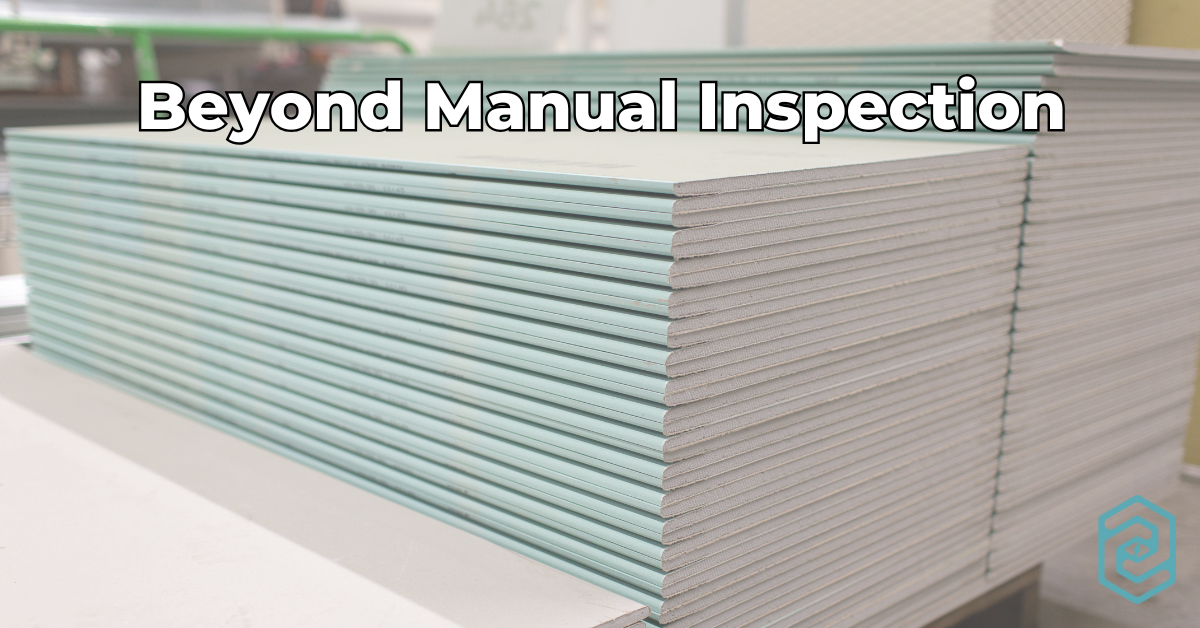
In the building materials industry, quality control for gypsum board production has traditionally relied on human inspectors scanning for surface imperfections. This approach, while standard for decades, has significant limitations that affect both production efficiency and product quality. Machine vision technology is transforming this process, offering automated solutions that surpass the capabilities of manual inspection. …