
Surface Inspection
With the power of AI technology, train a camera just like you would train an operator to distinguish between good and bad.
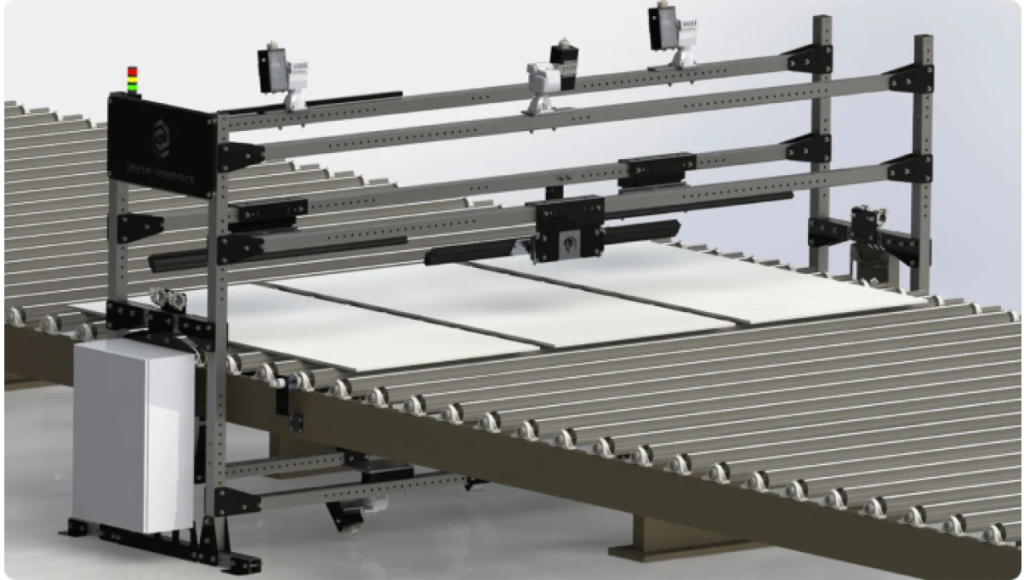
Surface Inspection
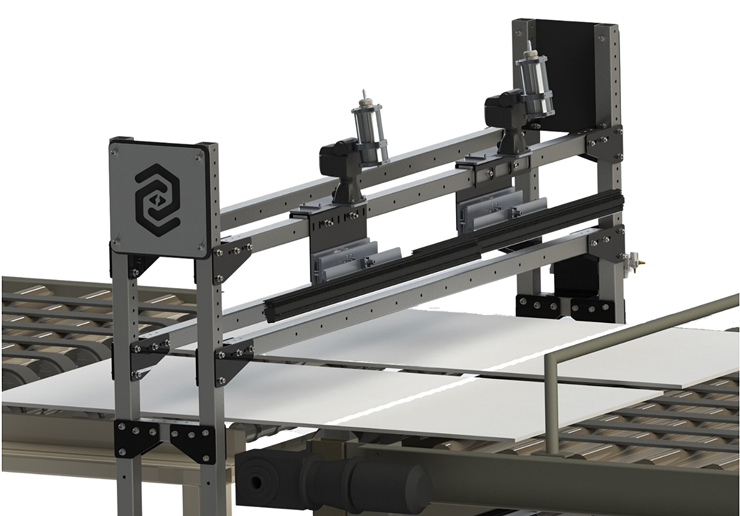
Introducing the Surface Inspection System – a revolutionary machine vision system that simplifies previously difficult machine vision applications. With the power of AI vision technology, this system allows you to train a camera just like you would train a gypsum board inspection operator to distinguish between good and bad. Experience the convenience of a user-friendly, fully featured interface that makes navigating the system a breeze.
Types of Surface Defects Detected
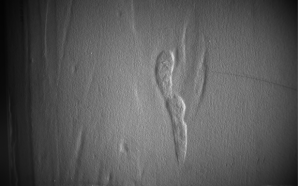
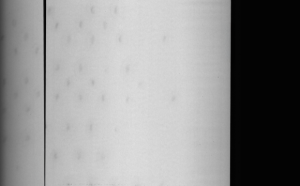
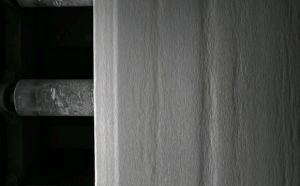
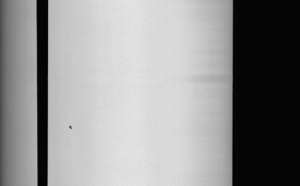
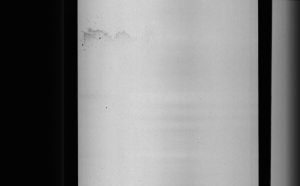
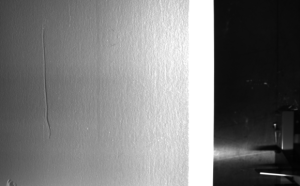
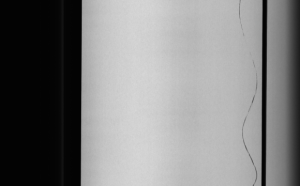
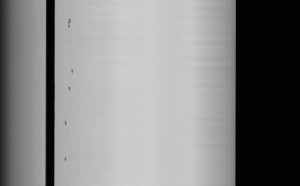
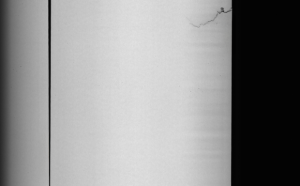
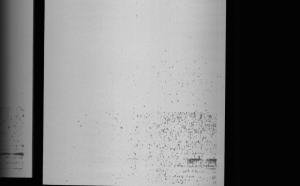
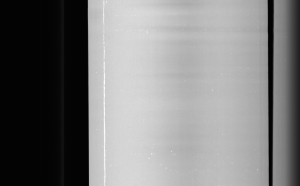
Types of Surface Defects Detected
Types of Surface Defects Detected
Blisters
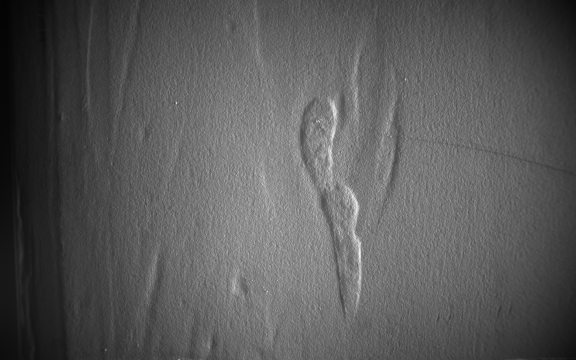
Burn Marks

Cockles
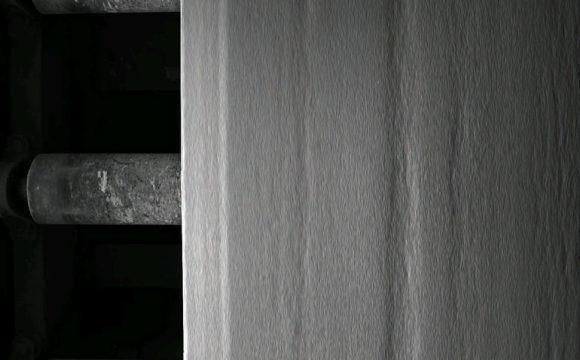
Dark Stains
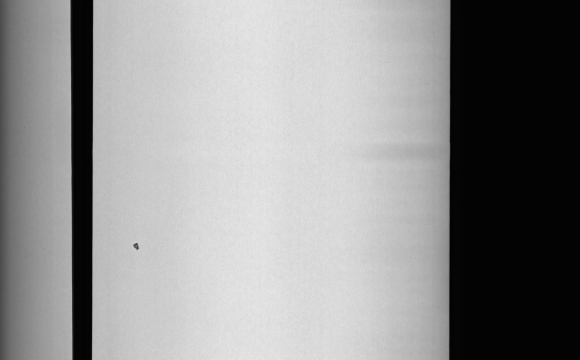
Debris
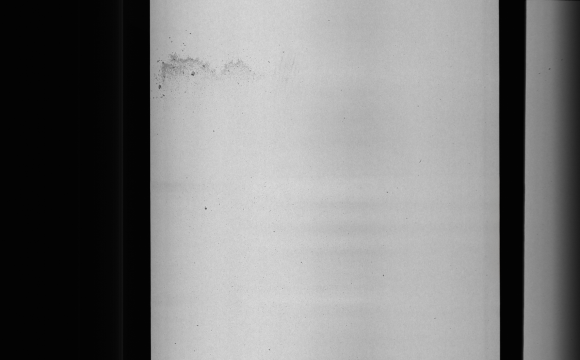
Light Stains
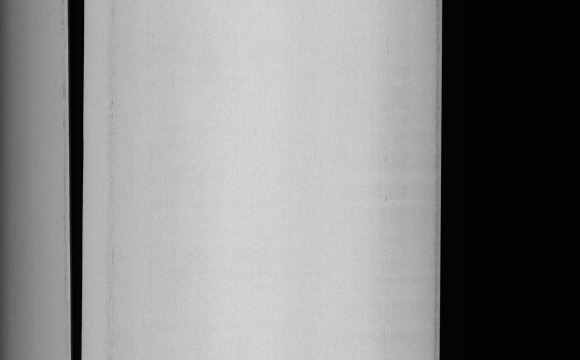
Lines In Face
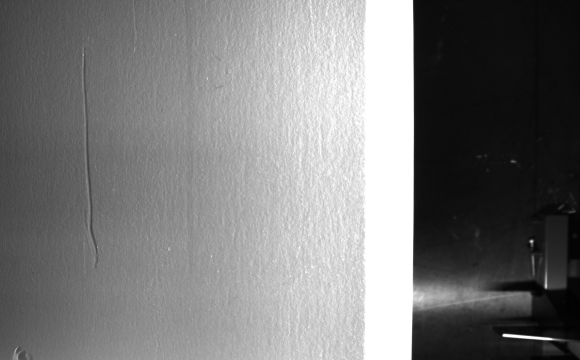
Operator Marks
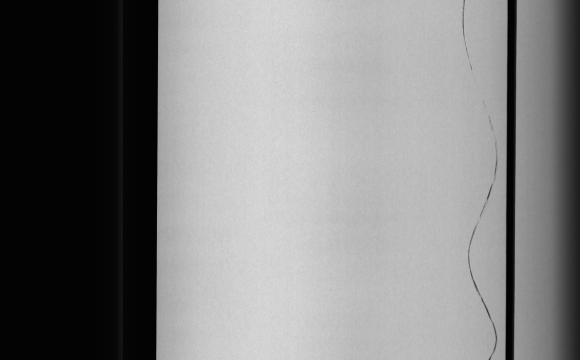
Roller Marks
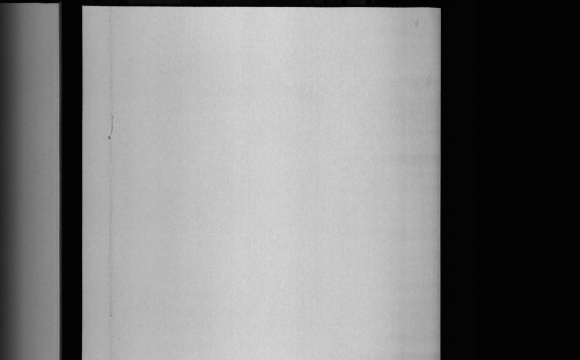
Scrapes
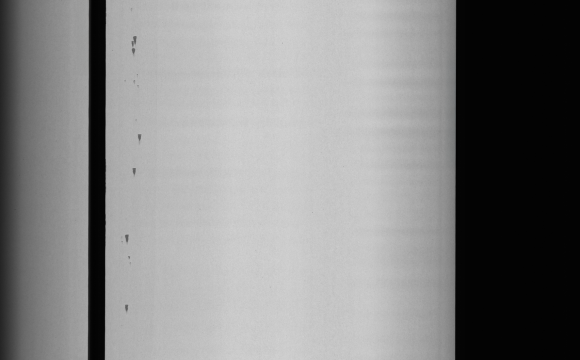
Tears
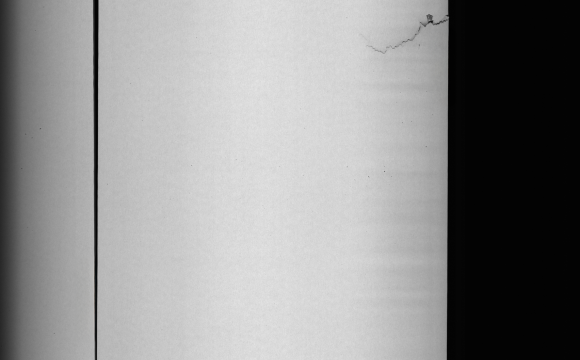
Water/Oil Marks
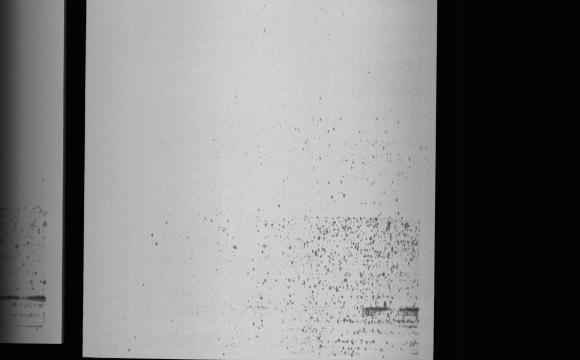
Wormholes
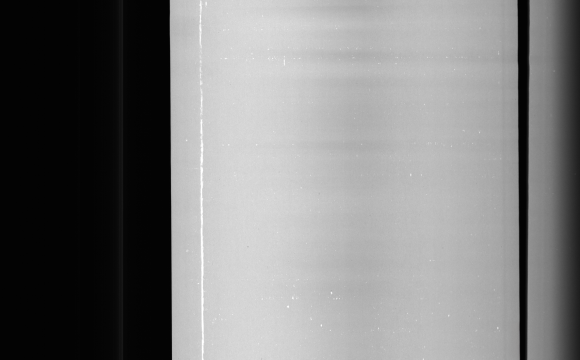
Scan Solution Types
Precision Dimensional Defect Detection
“See Every Shape, Catch Every Flaw”
- Detects blisters, cockles, and surface waves
- Uses low-angle lighting to reveal hidden shape distortions
High-Speed Cosmetic Defect Detection
“Every Surface, Every Imperfection”
- Identifies scratches, dents, scuffs, and paper tears
- Detects discoloration, blemishes, and pattern defects
- Designed for continuous, high-speed surface monitoring
Sub-Surface Void Detection
“Find the Flaws You Can’t See”
- Pinpoints air pockets beneath paper facing
- Detects cooler zones caused by missing core material
- Ensures structural integrity beyond surface inspection
Complete Quality Coverage: Dimensional + Cosmetic + Sub-Surface
“Every Angle. Every Surface. Inside and Out”
- Integrates all 3 detection methods into a single workflow
- Captures visible, hidden, and shape-based defects in one pass
- Maximizes product quality and minimizes downstream waste
Types of Defects Detected
Scratch Marks
Worm Holes
Blisters
Broken Edges
Water/Oil Marks
Broken Boards
Burn Marks
Belt Peelers
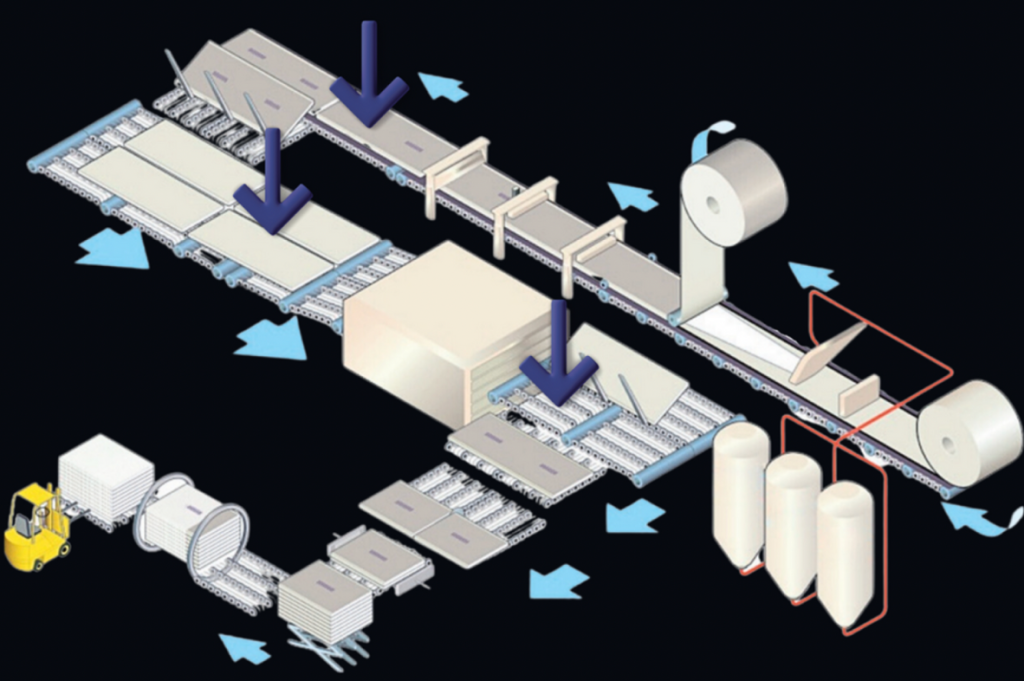
Reliable Surface Defect Detection for Subtle Surfaces
In gypsum manufacturing, defects like blisters, lines in the face, and cockles can be difficult to detect but have a significant impact on product quality and downstream processes. Their subtle topographical features require more than standard inspection methods.
20/20 Robotics has developed a specialized lighting scheme, advanced image capture techniques, and AI-based inspection tools designed to enhance visibility of these defects. Our systems make subtle surface variations easier to detect in real time, helping manufacturers improve quality control, reduce waste, and protect operational efficiency.
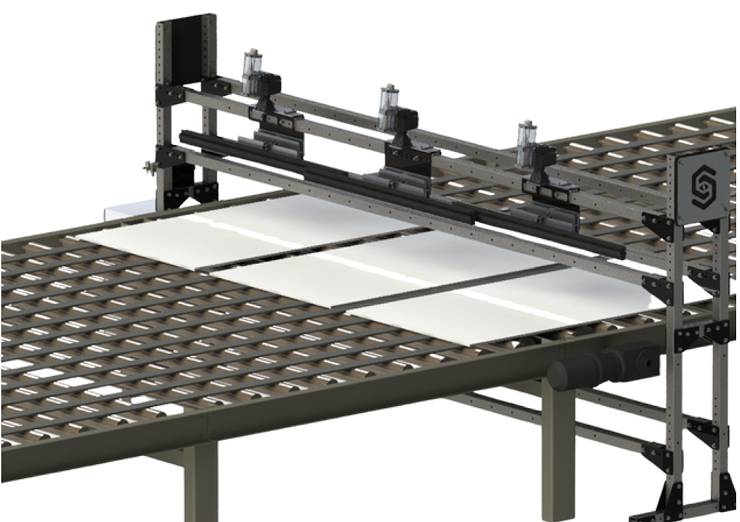
High-Resolution Surface Inspection for Moving Products
In gypsum manufacturing, defects like divots, holes, water and oil marks, wax spots, stucco marks, and burn marks often create visible contrast on the product surface. Detecting these issues accurately — especially on large, fast-moving products — requires a specialized approach.
20/20 Robotics’ surface inspection system utilizes high-resolution line scan cameras that leverage product motion to capture continuous, detailed images with maximum clarity. This technology is specifically designed to detect color and contrast-based defects in real time, ensuring consistent quality, reducing waste, and improving process reliability.


Quality Assurance
At 20/20 Robotics, we specialize in delivering robust robotic and machine vision solutions. From consultation to integration, trust us to elevate your manufacturing capabilities with cutting-edge automation.
FAQs
Human inspection struggles to catch subtle defects like blisters, cockles, or faint oil marks, especially at high speeds. These small flaws can slip through until boards reach customers — causing complaints, returns, or even warranty claims. Our Surface Inspection System uses advanced imaging and AI technology to detect the defects that matter most in real time, reducing waste and protecting your reputation.
No two gypsum plants are the same. That’s why our system is modular and configurable — with area scan, line scan, thermal scan, or combined imaging solutions depending on the defects you want to target. Whether it’s scratches, broken edges, water marks, or surface waves, we tailor the inspection system to your priorities, so you’re not locked into a one-size-fits-all approach.
Yes — but at a high hidden cost. Many plants still rely on manual spot checks or after-the-fact discovery, which leads to unnecessary scrap, rework, and dissatisfied customers. Surface defects that once seemed “unavoidable” can now be detected and corrected immediately. With continuous, automated inspection, you can prevent problems at the source, improve line efficiency, and deliver a consistently higher-quality product.
Contact Us
- 708.887.8650
- info@2020robotics.com
- 121 Shue Dr., Anna, OH 45302